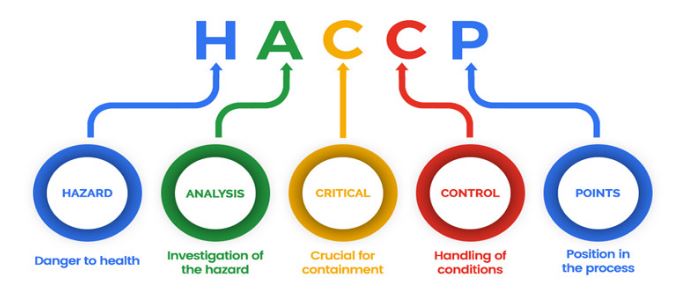
Evaluation of Hazard Analysis Critical Control Point (HACCP) At An Established City Hotel (2011)
Hazard Analysis Critical Control Point (HACCP ) Dissertation – The aim of this dissertation is to evaluate critically the HACCP procedures and how HACCP is maintaining in a central Manchester Business Hotel. According to Taylor (2008) the complex structure of the hospitality industry and the constitute of the workforce are not ideal conditions for the growth of food safety management systems. She suggested that most food caterers do not understand the food safety problem in the food industry and assume compliance as taking directions from the enforcement officers without question. The main objectives of this dissertation project are:
- To carry out a literature review on HACCP and to evaluate the principles of HACCP and the factors affecting its implementation.
- Evaluate food quality systems and HACCP and in terms of their similarities and differences and their strengths and weaknesses.
- Factors that have lead to the development and refinement of food quality management systems such as HACCP.
- Improvements in food safety management-Safer food better Business.
- Barriers in implementing HACCP and Factors that encourage people to comply with HACCP.
- To analyze the primary data collected in the light of the secondary data in order to identify the key issues that influence the barriers and benefits of HACCP
- By use of interviews and questionnaire determine stakeholder perceptions on HACCP as a food safety management system
- 12,500 words – 62 pages in length
- Excellent use of literature
- Good in depth analysis
- Includes questionnaire
- Expertly written throughout
- Ideal for business, hospitality and tourism students
1. Introduction
Context – Food safety management in the hospitality industry
Aims and Objectives
Aims
Objectives
2. Literature Review
Review the History of HACCP
12 Steps of HACCP
Application of HACCP
Establish a HACCP team
Describe the product
Identify the product intended use
Construct flow diagram
On-site confirmation of flow diagram
List all potential hazards
Determine Critical Control Points
Establish critical limits for each CCP
Establish a monitoring system for each CCP
Establish corrective actions
Establish verification procedures
Establish Documentation and Record Keeping
Strengths and weakness of HACCP
Evaluate critically Barriers in implementing HACCP
Knowledge barriers
Attitude barriers
Internal behavioural barriers
Evaluate ISO 22000
Relationship to ISO 9001:2000 and HACCP
Differences between ISO 22000 AND HACCP
Evaluate Improvements in food safety management
Evaluate critically factors that encourage people to comply with HACCP
3. Methodology
Aims of Chapter
Philosophy
Primary and Secondary Data
Reliability and Validity
Research methods:
Sample Selection
Analysis of Data
4. Results and Discussion
Themes
Theme 1: Design of HACCP systems
Training and SOP
Theme 3: Monitory of HACCP and food safety
Theme 4: Evaluation/Implications of systems in central Manchester Business Hotel
5. Conclusions
Not all staff are aware of HACCP procedures, processes and applications
Not all staff are undergone training on HACCP procedures, processes and applications and food safety and hygiene
All staff are keeping up to date records on HACCP as it relates to their work
Not all staff are consult with the standard operational procedures
Not all staff are actively involved and implementing HACCP procedures, processes and applications and food safety and hygiene
6. Recommendations
Invest resources in ensuring all staff are aware on a regular basis about HACCP principles, practices and application
All the staff must undergo HACCP training at induction
All staff must follow the standard operating procedures
Developing HACCP team
Have theme events for staff to concentrate on specific topics/aspects of HACCP
Build in HACCP as a part of departmental meetings
References
Appendix Section