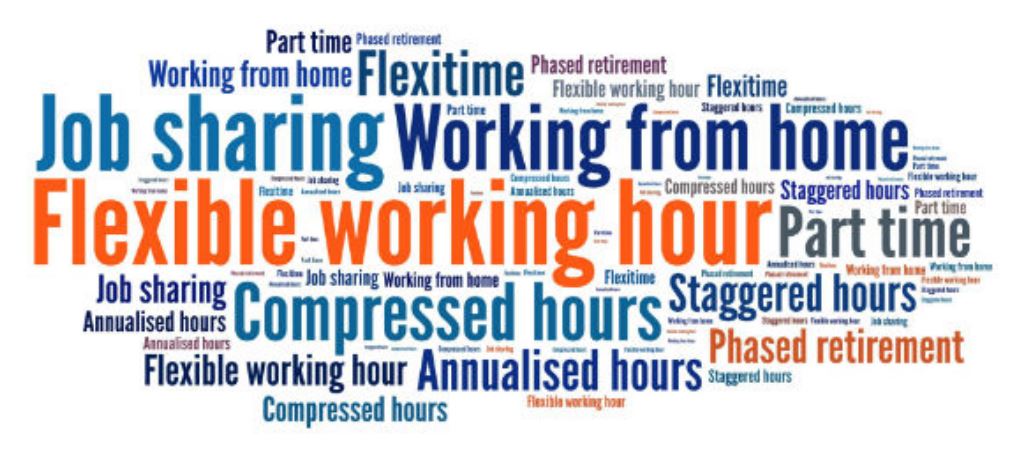
What is the Criterion for Successful Flexible Working Arrangements? An Analysis into Flexible Working Practices at PricewaterhouseCoopers UK (2012)
This MBA dissertation will critically analyse flexible working arrangements and assumptions in the UK, in an effort to understand how far work and life can reconcile to bring about benefit to both employer and employer, producing a ‘win-win’ situation. Incorporation of work and family responsibilities is a challenge faced by employees, in particularly parents and those in caring roles.
Employers are aware of this challenge but the question they ask is ‘how far can the organisation go to meet employees flexible work needs?’ Those who seek appropriate flexible work to suit their circumstances often find they are unable to do so. With the intensity of the modern society and the present economic need, this need has become critical and neither can be sacrificed for the other.
The study examines the position of the law on flexible work arrangement, the types of available flexible working arrangement, management issue on flexible working arrangement, effect of internal and external factors on flexible work arrangement, benefits of flexible working arrangements, gender issues and criteria for successful flexible work arrangement.
- 17,000 words – 76 pages in length
- Good use of literature
- Good in depth analysis
- Well written throughout
- Includes Questionnaire
- Ideal for business and HRM students
1. Introduction
Overview of Research Topic
The Research Question
Significance of Study
Scope of the Study
Objectives of the Research
2. Literature Review
History of Flexible Working (UK)
Flexible Working Practice (UK)
Flexible Contracts
Works versus Family-Life
How Flexible can an Organisation be?
Legislations on Flexible Work
Gender Equality
Flexible Working, ‘bad jobs?’ British Household Panel Survey
Surveys
3. Research Methodology
Restatement of Research Question
Research Method
Methods of Data Collection
Data Types Used
Methods of Data Analysis
Limitations of Methodology
Minimisation of Shortcomings
Ethical Issues
4. Analysis of Findings
Theoretical Models
Regulation on Flexible Working
Informal Flexible Working Arrangements
Caring Needs
The Benefits of Flexible Work to Employer
Successful Implementation of Flexible Work Practice
5. Conclusions
6. Recommendations
7. Personal Development
Suggestion for Future Research
References
Appendix
Questionnaire