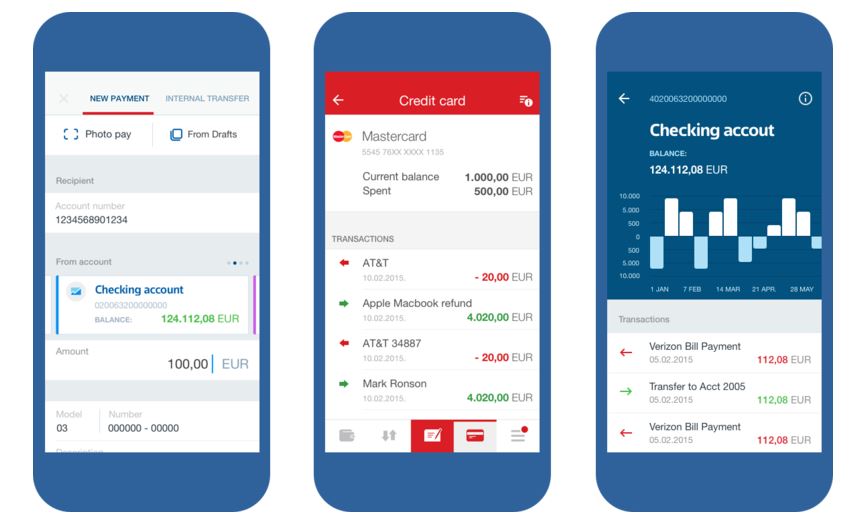
Final Year Project: A Mobile Application For Banking Processes
Final Year Project: A Mobile Application For Banking Processes WAP 2.0 – The purpose of this project is to discuss the issues associated with the deployment of a secure, WAP-based, transactional banking system, and to build a solution with these issues in mind. There are many pitfalls and problems that have to be overcome when developing a m-commerce solution, ranging from security to providing support for the multitude of WAP-enabled devices that are currently on the market.
The problems of linking into an existing back-end infrastructure also need to be met. This paper will compare and contrast available technologies that could be used to solve each of these issues, and justify the technologies that were finally chosen. The goal of this project is to develop a combined retail banking application that was to be delivered multiple channels, including WAP devices.
The information has to be retrieved from existing back-end systems on a combination of different platforms. In the following section a detailed description of what WAP and wireless technology is will be enlightened.
- 11,000 words – 125 pages in length
- Expertly written throughout
- Good use of literature
- Excellent analysis
- Good use of models and theory
- Ideal for computer science and IT students
1 – WAP
The Usefulness of WAP
Encourage and Foster Market Development
WAP 2.0: Bringing Wireless Closer to the Internet
What Is New: WAP 2.0 Is an Evolutionary Step Forward
Alignment with New Technologies and Standards
WAP 2.0 Components: Application Support, Protocol Stack and More
1 Wireless Application Environment
WAP Programming Model
WAP Protocol Stack
Legacy Protocol Layers
Protocol Layers for Networks Supporting IP
WAP 2.0 Adds New and Enhanced Services
2 – Banking
Retail Banking
Financial Institution Concerns
Security
Investment In The Future
Functionally Rich Application
Technical Concerns
Multiple Sources of Information
Multiple Distribution Channels
Middleware
Direct Debit
Direct Debit Customer Benefits
Managing Direct Debit on Your Bank Account
3 – Methodology
Soft Systems Methodology
Rich Pictures
Conceptual Model
Agree On Changes
Action
RAD
Definition
Principles behind the Definition
Problems Addressed By RAD
Bad Reasons for Using RAD
Good Reasons for Using RAD
Schedule versus Economy versus Product Quality
Abbreviated History of RAD
Characteristics of RAD
RAD Uses Iterative, Evolutionary Prototyping
When RAD Works and When It Doesn’t RAD Tends To Work
When RAD Tends To Fail
Evaluation of RAD Advantages of RAD
Disadvantages of RAD
4 – SSADM
Introduction
What Is SSADM?
Why Is SSADM Used?
How Is SSADM Controlled In The UK?
What Are The Major Tools Of SSADM?
Three Interdependent Views
How Is SSADM Structured?
Introduction to SSADM
Critique Of SSADM And DSDM
Framework
Critique
5 – Specification Frame Work
Software Experimentation
WML, WML Script, IIS
WML Example Code
WAP Gateway
Microsoft Access XP Sp2
Generating Dynamic WAP Content
Phpmyadmin for the Navigation and Creation of the Database
Mysql for the Creation of the Database
Java SDK 1.4.1
6 – Prototype Evaluation
Questionnaire
Findings
7 – Conclusion
References