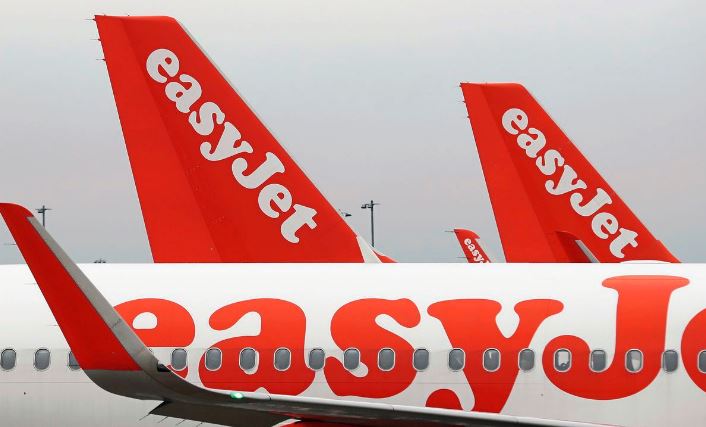
Final Year Strategic Marketing Management Project: Critical Analysis of the Strategies of EasyJet (2010)
Marketing Analysis of EasyJet – In the tourism industry, as in every other sector, strategy is crucial for the functioning of business operations. Strategy can be defined as the pattern or plan that integrates an organization’s major goals, policies and action sequences into a cohesive whole. A strategic plan is necessary in order to define business goals and how to reach these goals.
Strategy does not guarantee success however a strategic implementation will improve the level of organisational structure and planning. The airline industry has been strongly influenced during the last decades by new entrants operating with new methods and strategies. The low-cost phenomenon first started in the USA in the 1970’s with Southwest Airlines. The first low-cost carrier to enter the European market was Ryanair in the 1990’s, followed closely by EasyJet.
This happened in correlation with the restructuring of the rules in European countries allowing any airline to fly domestic flights within other countries than only their own. The differences in the strategies between the legacy airlines and the low-cost companies are mainly the cost efficient structure and the business model. The low-cost carriers offer the consumers a new type of differentiated product that they had not earlier been familiar with.
This project will present a further study on the successful strategies implemented by the low-cost airlines and more deeply analyze the strategic issue defined above. The study will concentrate on EasyJet and how this company is organized and built up. An overview of the European low-cost sector is to be given. Finally strategic options and recommendations will be discussed.
discussed.
- 8,500 words – 36 pages in length
- Good use of literature
- Good marketing analysis of EasyJet
- Ideal for marketing students
- Excellent piece of work
- This is an assignment project not dissertation
Introduction
Situation Analysis of the Airline Industry in Europe
The Threat of New Entrants
The Power of Buyers
The Power of Suppliers
The Threat of Substitutes
The Degree of Rivalry between Competitors
Strategic Issues Facing the Future of the Airline Industry
Situation Analysis of the Organization
The History of EasyJet
EasyJet’s Mission Statement
EasyJet’s Business Model
Marketing Mix
Price
Product
Place/Distribution
Promotion
SWOT – Analysis
Internal Analysis
External Analysis
PESTEL Analysis
Political-Legal Factors
Economic Factors
Socio-Cultural Factors
Technological Factors
Ecological Factors
Strategic Options
Cost Leadership
Differentiation
Focus
Strategic Frameworks
Strategic Recommendations
Conclusion
Bibliography