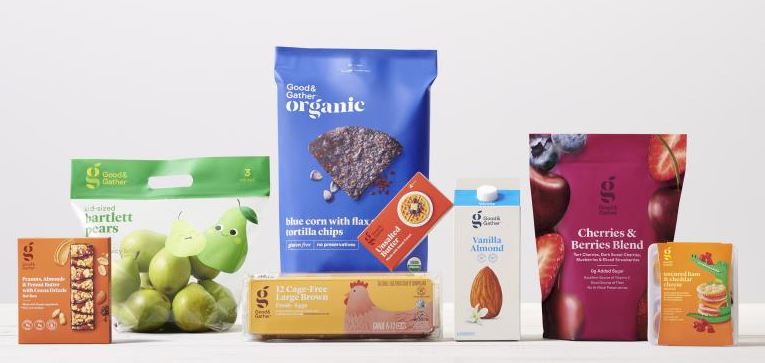
Exploring Differences In Consumer Perception Between Branded And Private Label Goods
Branded And Private Label Goods Dissertation – As the top retailers become more powerful, so too does their scope and vision in terms of their brands image and intention. Retailers are now using their own brands to create loyalty and match the quality and image perceptions that manufacturer brands have historically. This study analyses consumer perception of retailer brands today, compared with manufacturer brands.
The study also focuses on what affects these views, and how open they are to change. Primary research for this study is in the form of semi-structured interviews. Respondents in these interviews were asked questions relating to their buying habits and opinions. Respondents gave views as to what brands they prefer and why, with particular reference to three different pre-selected product categories. Branded and private label goods were compared by the respondents to ascertain any differences in views and what causes these.
Research finds that, with particular regard to premium private label brands, respondents rarely notice a huge difference between brands and private labels when looking and leaving their perceptions behind. Brands however are seen as of higher quality though when consumers are asked to choose. A number of factors affect this choice, including the fact that brands are seen as specialists, as well as the fact that they are trusted due to advertising and family experiences.
Consumers do state that, if quality or image isn’t important in a category, private label brands are often preferred. This suggests that private labels are perceived as being substandard where perceptions are concerned. It was found though, that consumers are getting wiser in terms of knowing that what they believe may not be true. They are also aware of the merits of shopping in different places for different products, depending on situations. Consumers are becoming wiser and more meticulous.
- 11,000 words – 110 pages in length
- Good use of literature
- Good analysis
- Well written throughout
- Includes questionnaire
- Ideal for business and marketing students
1. Introduction
2. Literature Review
Branding – The Basics
Retailer Power and Size
What are Retailer Brands?
Evolution of Retailer Brands
Consumer Perceptions
What manufacturers can do
3. Methodology
Research Objectives
Secondary Research
Primary Research
Sampling
Interviews
Testing
Analysis
Ethics
4. Research Findings and Analysis
Pre-interview
Store Loyalty and Consumer Power Behaviour
Factors affecting Brand Choice
Why brands or private labels?
Category Dependence
5. Conclusion
Gain an understanding of the level of which consumer’s perceptions towards brands and private labels are changing
Gain an understanding of consumer behaviour and confidence
Identify factors affecting a consumer’s brand choice, and what change is evident across categories
Limitations
Areas for future research
References
Bibliography
Appendices